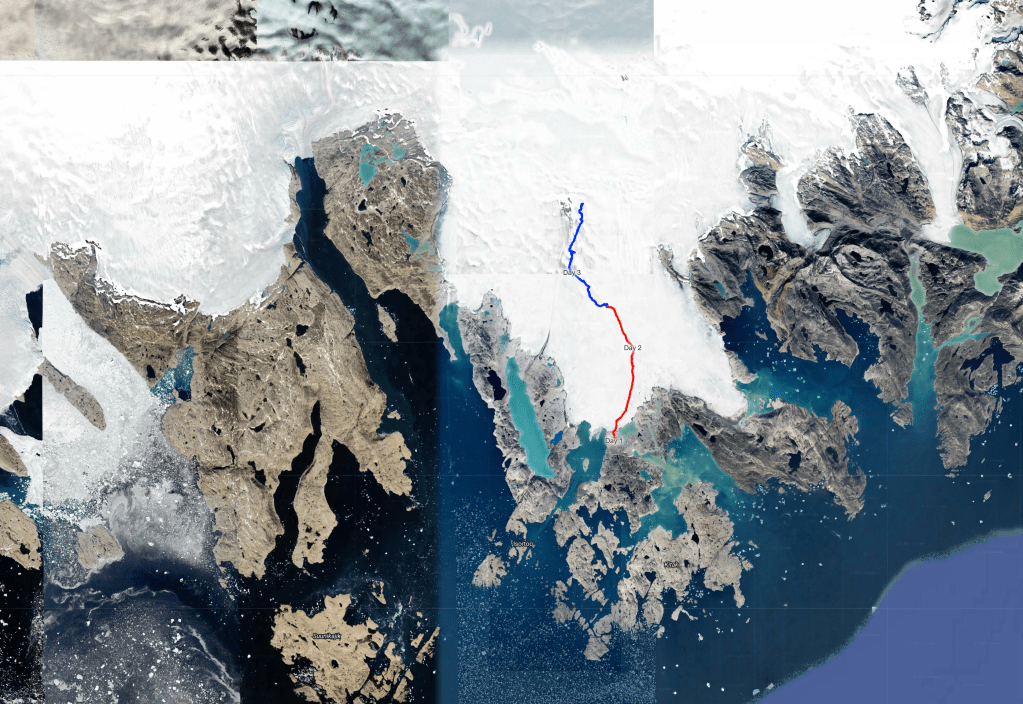
August 17. Rain had fallen during the night, and by morning the glacier was glazed in a thin, brittle shine that made every step feel tentative. We were moving across a surface of ripples and hollows, a landscape that looked solid until it suddenly wasn’t.

The day began with a jolt. My right leg punched into the edge of a crevasse at the exact moment my sled swung forward and slammed into my knee. It could have ended things early, but after a few breaths I realized nothing was seriously hurt. Just a sharp reminder of the stakes.
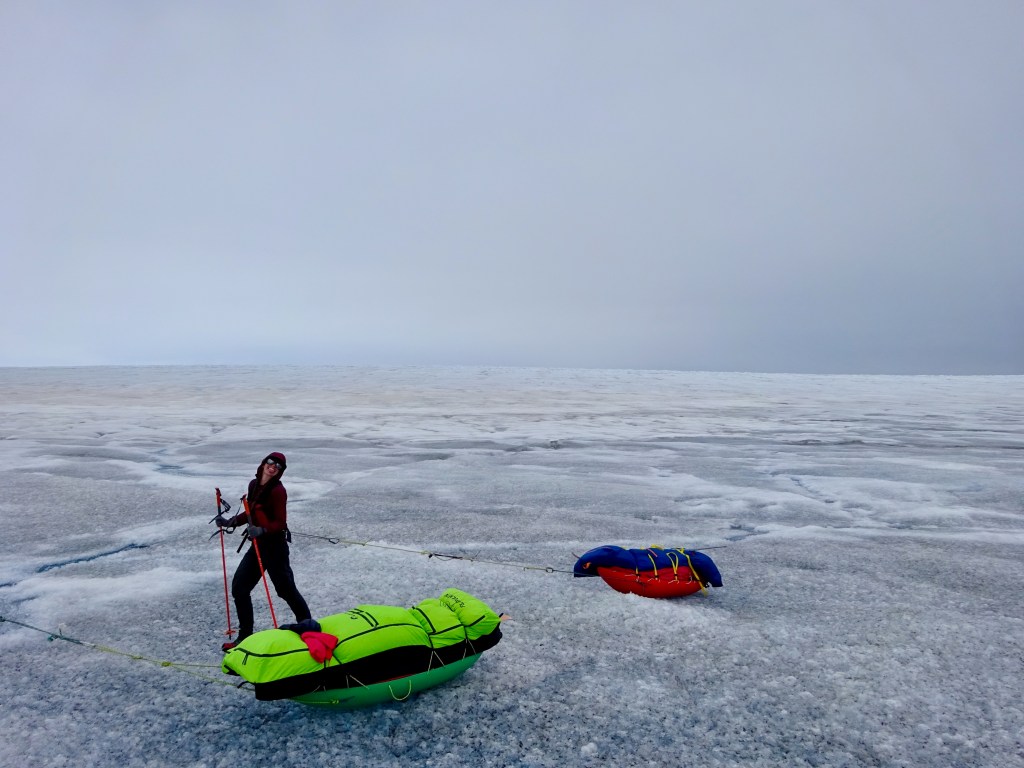
As the terrain tightened into a maze of crevasses, I was asked to take the lead. At first it felt shaky. My sled tipped several times in quick succession until I finally stopped, repacked the load and reset the rope. Once sorted, it tracked better, and something in me settled. I moved ahead, scouting left and right, reading the breaks in the ice and choosing lines that felt trustworthy. The focus felt good.
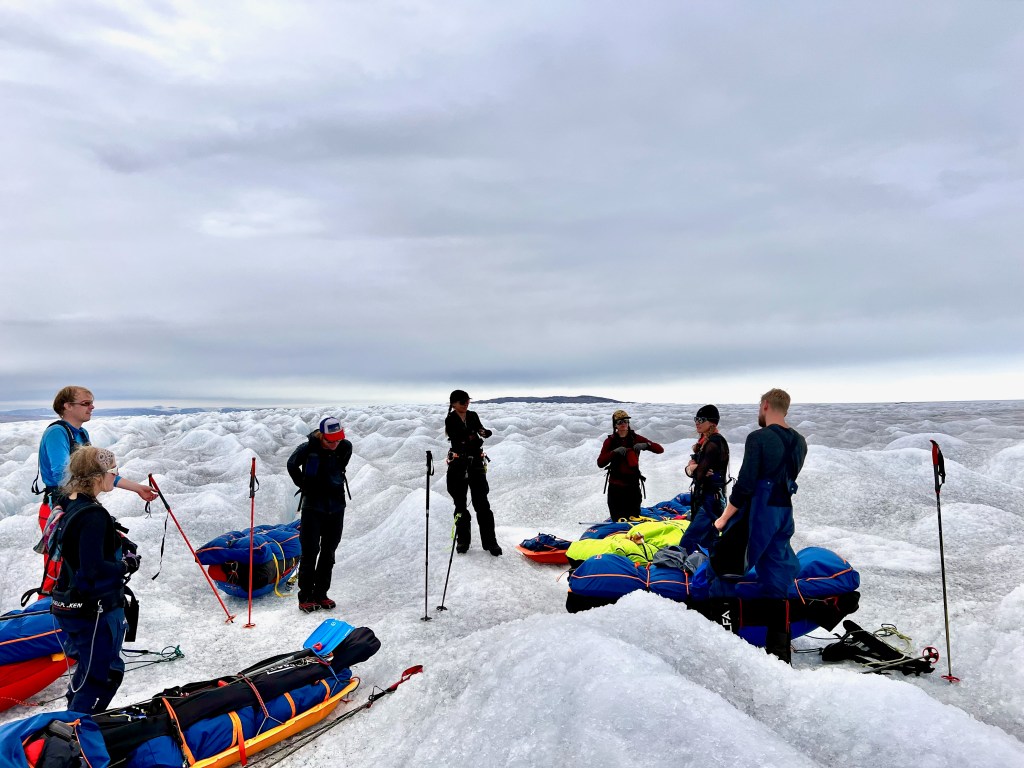
It reminded me faintly of a night long ago during my NOLS instructor course in the Wind Rivers, when a teammate was injured in a storm. I had climbed a mountain three times in the dark to ferry information and gear between groups. That was 2009. Thirteen years ago. I don’t think about it often, but today carried a small echo of that clarity.
The goal out here is simple: grow on the inside, stay humble on the outside. Today felt like progress.
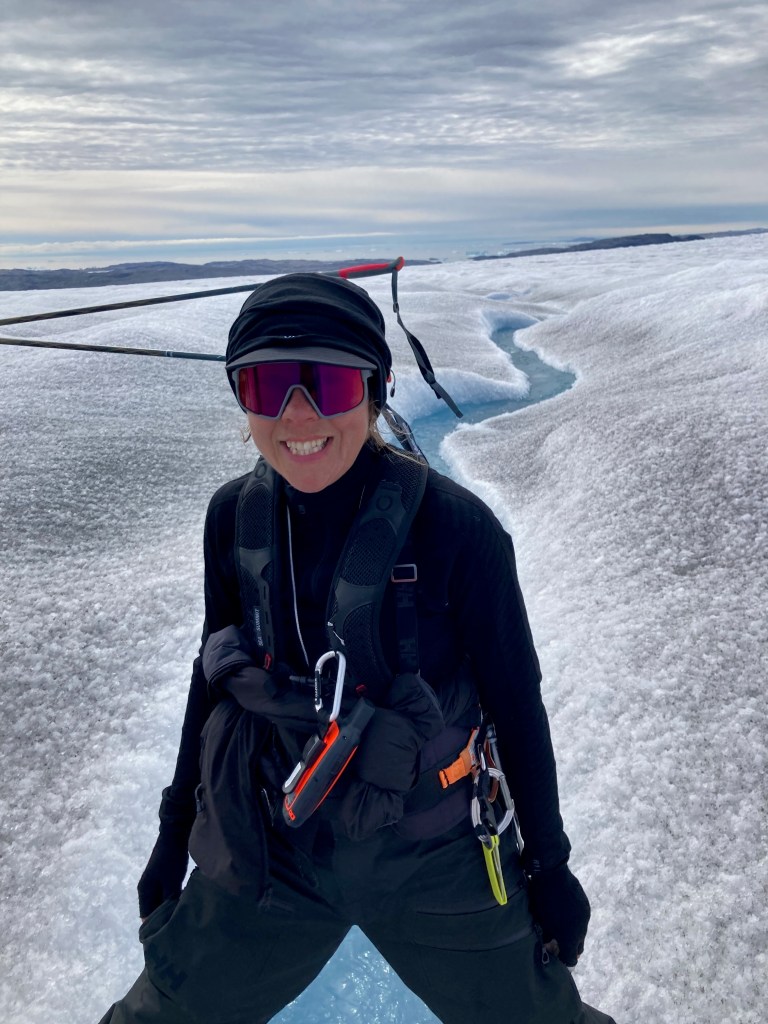
The ice became more chaotic in the afternoon, and our pace slowed as we threaded through fractures that split and merged like frozen rivers. Near the end of the day Elaine and I moved into the lead together to scout for a place to camp. It felt surprisingly natural. The two of us have spent so many years moving through terrain together that slipping into that shared decision-making brought an instant sense of ease. For a few minutes it felt like being back in the Brooks Range, just the two of us reading the land, choosing lines, trusting instincts.
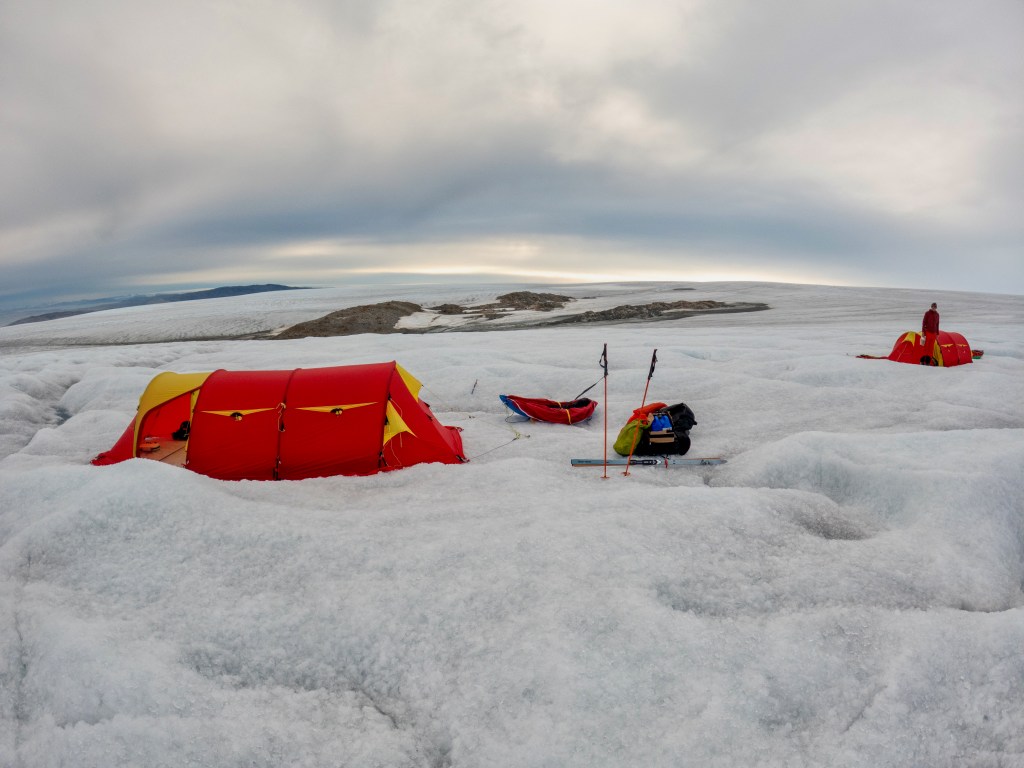
We eventually found a small plateau surrounded by crevasses on nearly every side. A strange island on a broken sea, but safe and flat enough to pitch tents. In the gray evening light the place was unexpectedly beautiful, almost delicate.
As I settled into the tent, I noticed a soft leak under my sleeping mat and wondered if I had punctured it somewhere along the day’s crossings. Tomorrow will tell.
For now I feel tired, grateful and quietly energized. Today was serious, but it was also fun. The ice demanded more, and for the first time on this expedition, I felt fully ready to answer.


 Alta Backcountry
Leave a reply to Sharon Vardatira Cancel reply